Article•6 min read
The Psychology of Motion: Why Animations Increase Engagement
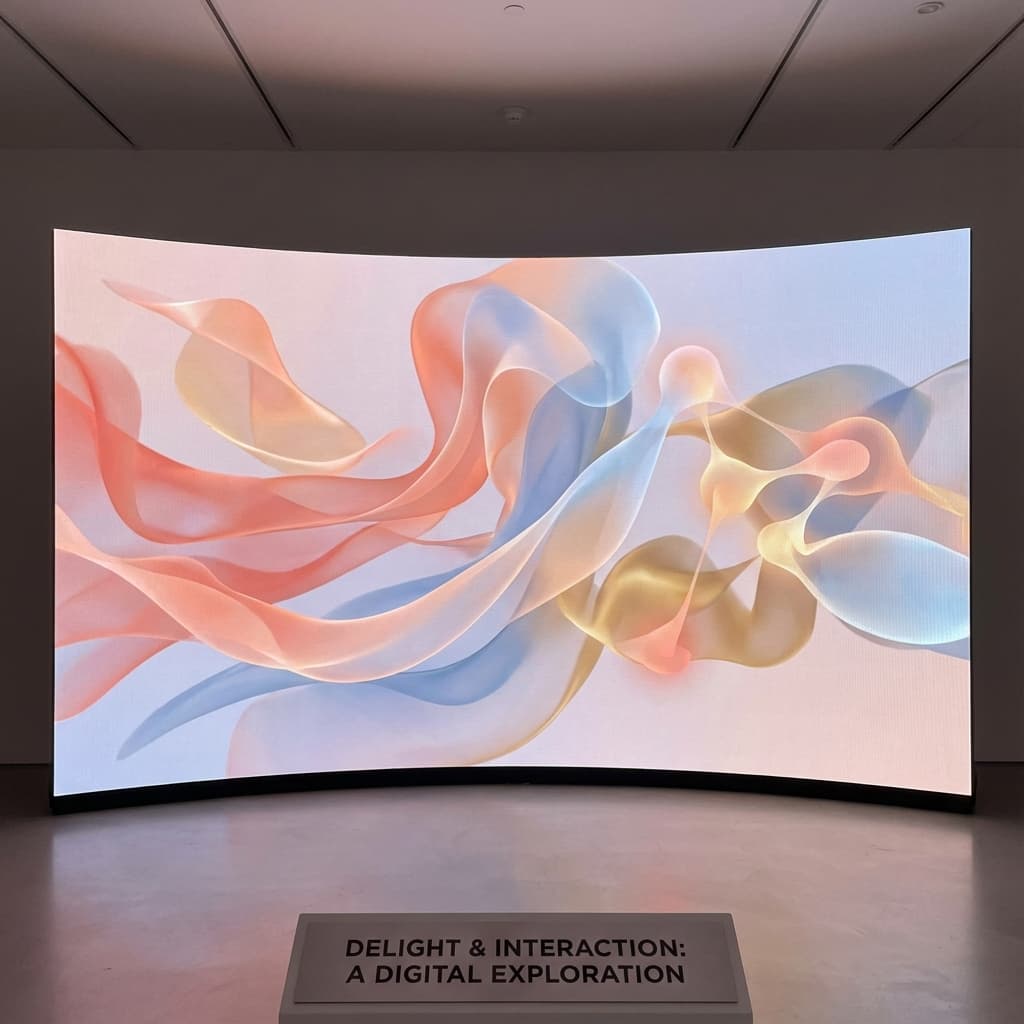
Movement is Meaning
Our brains are hardwired to notice movement. It's a survival mechanism. In web design, we hijack this instinct to guide user attention.
Functional vs. Decorative
There is a big difference between "eye candy" and functional motion:
- Functional: A loading skeleton reduces perceived wait time. A toggle sliding switch confirms an action. These reduce cognitive load.
- Decorative: A parallax background or a floating 3D object. These create delight and brand affinity.
The Peak-End Rule
Psychology tells us people judge an experience by its peak (most intense moment) and its end. A delightful "Success!" animation after a purchase can transform a mundane transaction into a memorable moment.
Best Practices
Don't overdo it. Motion should be:
- Fast: Interactions should feel instant (under 300ms).
- Smooth: Use easing curves (e.g., ease-out) so movement looks natural, not robotic.
- Purposeful: Ask "Does this animation help the user understand what happened?"
When used correctly, motion turns a static brochure into a living product.
Thanks for reading!
If you found this helpful, feel free to check out my other articles or get in touch if you need help with your Next.js project.
Get in Touch